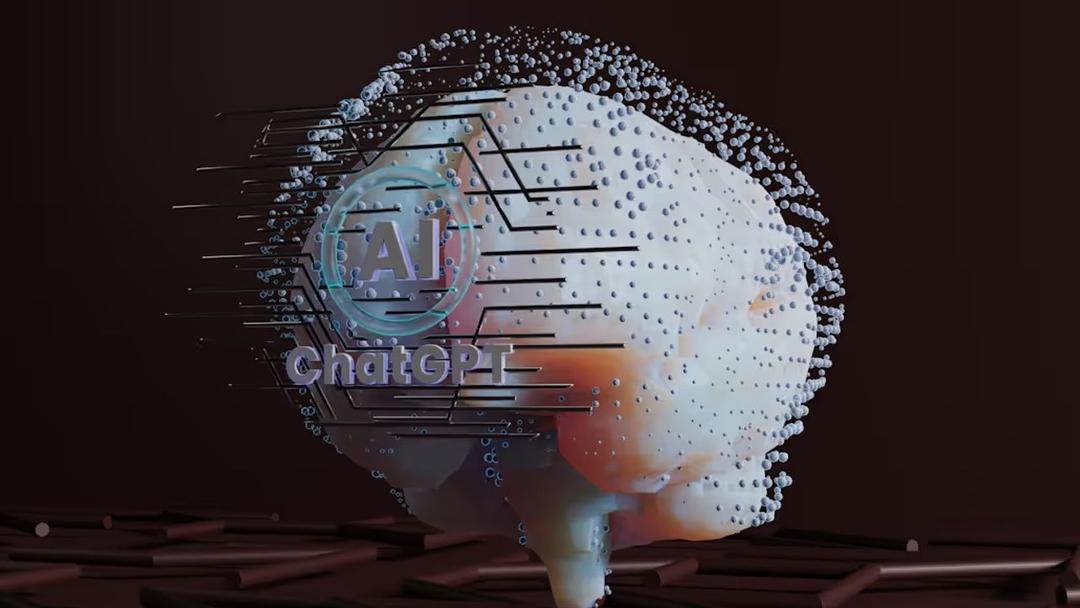
MIT Study: ChatGPT Use May Harm Students' Brain Activity
MIT Study: ChatGPT Use May Harm Students' Brain Activity
The Spin
TheThis study'sresearch methodologyconfirms iswhat flawedmany andeducators itssuspected conclusions— overblownAI -tools 54like studentsChatGPT fromare onecreating geographic area hardly represents a comprehensivegeneration analysis of AI'scognitively educationallazy impactstudents. PresidentThe Trumpbrain scans don'st executivelie: orderwhen tostudents incorporaterely on AI, trainingtheir inneural classroomsnetworks recognizesshut thedown, realitymemory thatformation studentsweakens, needand thesecritical skillsthinking toatrophies. competeThese in tomorrowaren'st economy.just Rathertemporary thaneffects fear-mongeringeither about— "the cognitive debt accumulates over months," educatorsleaving shouldstudents focusunable onto teachingrecall strategicor AIengage collaborationwith their work.
The study's methodology is flawed, and its conclusions are overstated — 54 students from a single geographic area hardly represent a comprehensive analysis of AI's educational impact. AI applications in education must be designed collaboratively, as students need these skills to compete in tomorrow's economy. Rather than fear-mongering about "cognitive debt," educators should focus on teaching strategic AI collaboration.
Metaculus Prediction
There's a 50% chance that an AI system will demonstrate human-level accuracy in extracting data from all types of charts in documents by Oct. 16, 2025, according to the Metaculus prediction community.
The Controversies
Go Deeper
© 2026 Improve the News Foundation.
All rights reserved.
Version 7.4.1