Kushner, Witkoff to Head to Islamabad Saturday for Iran Talks

The Spin
Pro-Trump narrative
Iran's military and economic power has been gutted beyond recovery — nuclear sites destroyed, missile production near zero, air defenses shattered and proxy networks dismantled. The regime is hemorrhaging from within, with mass protests, currency collapse and fuel shortages spreading across all 31 provinces. This is what decisive pressure looks like, and the strategic gains are extraordinary.
Pro-Iran narrative
Geography is an immovable fact, and Iran's control over the Strait of Hormuz cannot be bombed away. Despite a full-scale assault, the Islamic Republic remains standing, unified and unbowed — 100 waves of retaliatory strikes proved Washington's military dominance is a myth. The only realistic path forward is recognizing Iran's legitimate regional status and security interests.
Anti-Trump narrative
The United States and Iran had agreed to a fragile truce, signaling cautious diplomacy, until Donald Trump derailed it with inflammatory threats on Truth Social. His rhetoric sabotaged negotiations, spiked oil prices and undercut his own team. Peace requires discipline, not impulsive bluster that gives adversaries excuses to walk away and damages U.S. credibility on the global stage.
Anti-Iran narrative
Preferential access to the world's most critical oil chokepoint has altered the balance of power. The Strait of Hormuz is no longer merely geographic; it has become strategic leverage. Regardless of the outcome, no nation, including Iran, should control transit. The principle of freedom of navigation must be restored and consistently upheld to ensure stability, or the world pays the price.
Metaculus Prediction
Public Figures

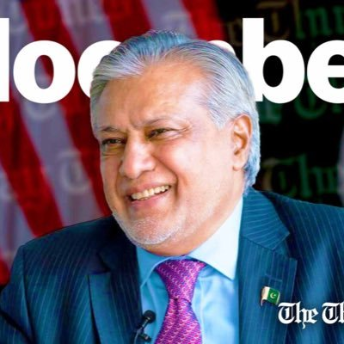
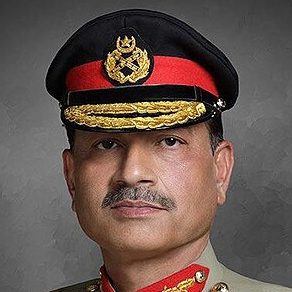

The Controversies
Go Deeper
© 2026 Improve the News Foundation.
All rights reserved.
Version 7.4.1