Bangladesh Election: Prime Minister Hopefuls

The Spin
Pro-government narrative
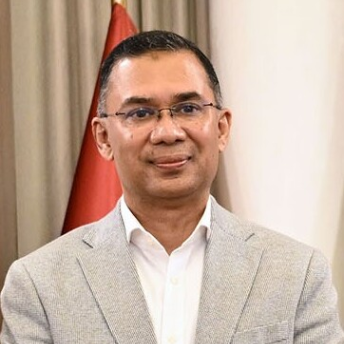
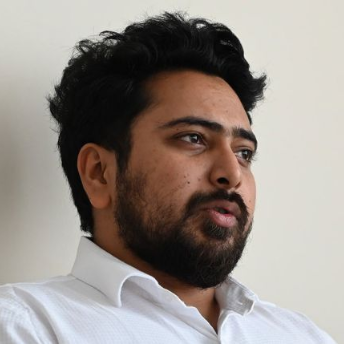
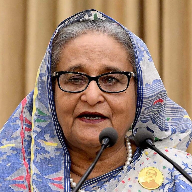
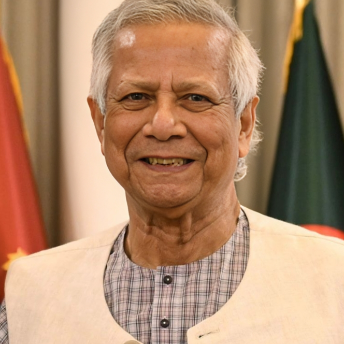
Bangladesh’s general election is a turning point after the 2024 uprising that toppled Sheikh Hasina and ushered in an interim government committed to free and fair polls. Major contenders such as Tarique Rahman are campaigning on platforms of anti-corruption, economic renewal and inclusive governance, energizing voters who have waited years for credible elections. The return of competitive politics has also encouraged new voices, such as youth-led parties, reflecting broad popular engagement. This election could reset Bangladesh’s democratic trajectory and strengthen accountability.
Government-critical narrative
Despite the hopeful rhetoric, the 2026 election faces serious legitimacy concerns and polarization. The electoral process is compromised by the absence of the Awami League, Bangladesh’s traditionally dominant party, whose exclusion from the ballot raises questions about inclusivity and fairness. Elections cannot be considered free or fair without the Awami League’s participation, as the election commission is blatantly favoring the BNP and the Jamaat. The re-emergence of Islamist parties raises fears of potential conservative policy shifts should these groups gain significant power in government.
Bangladesh Nationalist Party narrative
For 16 years, Bangladesh endured fear and silence under authoritarian rule, with the BNP bearing the highest cost. Its leaders and supporters faced disappearances, false cases, torture and death, yet never surrendered the dream of democracy. From Khaleda Zia's resilience to countless families' sacrifices, BNP's struggle mirrored the nation's pain. Still, it chose reconciliation over revenge, standing for human rights, pluralism, and a future in which no citizen fears their own state. Tarique Rahman's dynastic heritage attracts both devotion and criticism, but Rahman pledges to bridge historic divides and address economic and social challenges, embodying hope for many as the nation navigates a new democratic chapter.
Bangladesh Jamaat-e-Islami narrative
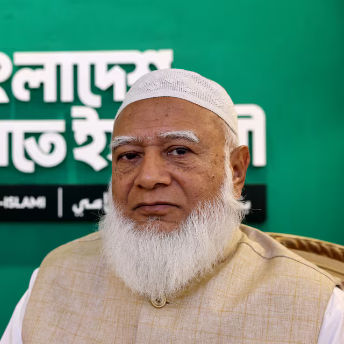
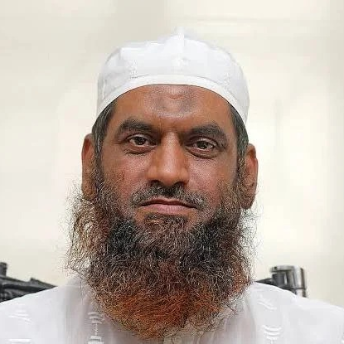
Jamaat-e-Islami, under Rahman, presents a vision of a corruption-free, terrorism-free and just Bangladesh as he has pledged transparent governance, public welfare and national unity through collective participation. Jamaat promises development without extortion, accountability without fear and empowerment of women through merit-based opportunities. With plans for education, infrastructure and job creation, the party is a disciplined alternative committed to justice, dignity and ethical leadership. Revived after years of bans and repression, Jamaat seeks broader appeal while navigating post-Hasina politics, regional diplomacy and shifting alliances, positioning itself as a disciplined partner in shaping Bangladesh’s next chapter.
© 2026 Improve the News Foundation.
All rights reserved.
Version 7.4.1