Pentagon War Games Warn US Could Lose Taiwan War
Pentagon War Games Warn US Could Lose Taiwan War
The Spin
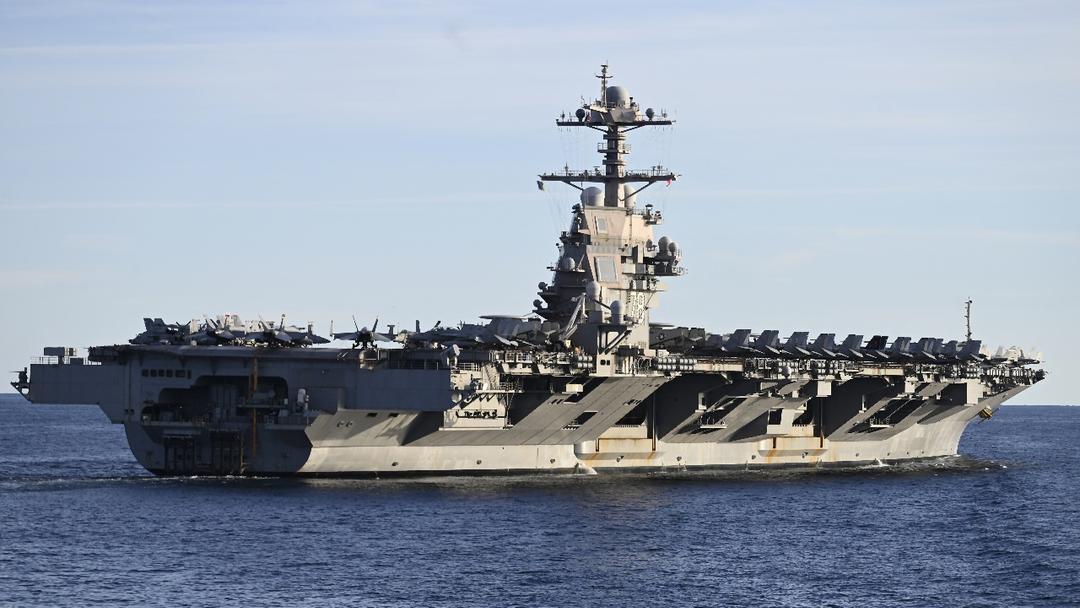
China has fundamentally changed the strategic game in the Pacific by deploying cheap, mass-produced weapons that overwhelm expensive American platforms. The dominant strategy that secured three decades of stability no longer works because Beijing shifted the cost structure, making carriers and forward bases vulnerable to saturation attacks. The U.S. must rapidly redesign its military architecture or face continued losses across all scenarios.
The New York Times is manufacturing consent for massive military spending increases by citing unsubstantiated intelligence claims about Chinese invasion timelines and ignoring debunked sabotage allegations. This propaganda push for war preparation with a nuclear power serves imperial interests, not security, while pretending decades of global tyranny constituted defending freedom.
The U.S. should shed legacy weapons, but the deeper issue is clarifying which threats truly matter. Global military dominance is unrealistic, and sprawling bases or a war over Taiwan are not vital interests. Lasting security lies in diplomacy, economic engagement and strengthening defense with key allies — not adopting an adversarial stance, the debate too often assumes.
Metaculus Prediction
There's a 1.5% chance that there will be active warfare between the U.S. and China before 2027, according to the Metaculus prediction community.
Public Figures

The Controversies
Go Deeper
© 2026 Improve the News Foundation.
All rights reserved.
Version 7.4.1