Versions :<12345678910111213Live
Snapshot 13:Fri, Dec 5, 2025 6:56:23 PM GMT last edited by KateHennig

Neuralink Patients Control Robotic Arms Using Thoughts

Neuralink Patients Control Robotic Arms Using Thoughts
Neuralink Patients Control Robotic Arms Using Thoughts
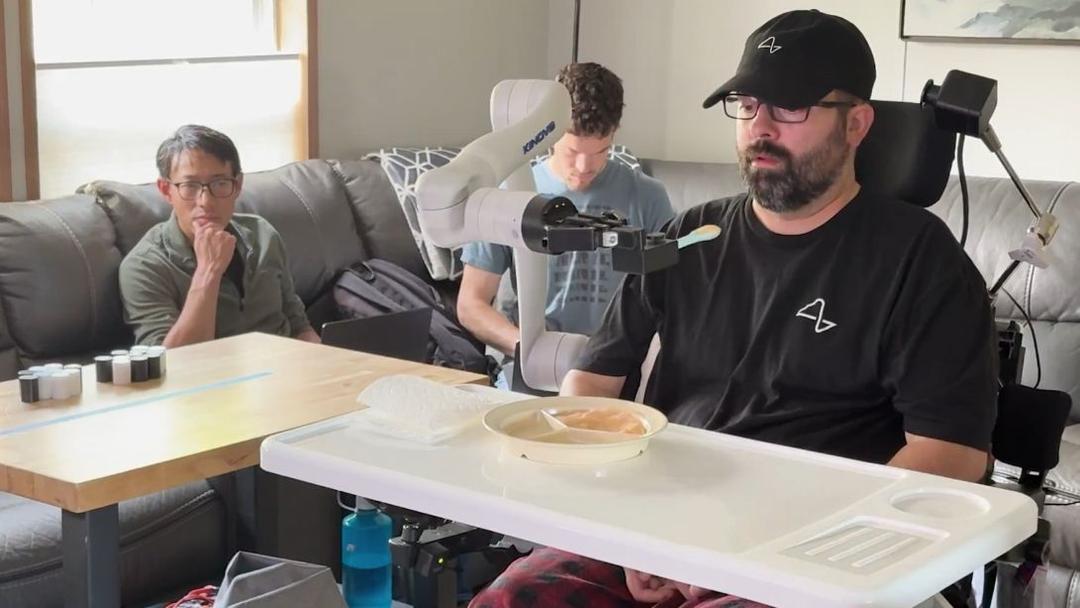
Above: Neuralink patient, Nick Wray, controls a robotic arm using his Neuralink device on Oct. 10, 2025. Image credit: Neuralink via X (Fair Use)

The Spin

Neuralink is redefining independence by showing that losing movement doesn’t mean losing control. Patients with paralysis and ALS are gaming, typing, designing and even lifting a cup to drink using only their thoughts. This is more than assistive tech, it’s autonomy restored. And it may be the first step toward responsible digital co-existence with AI, where humans interface directly with machines to make life easier, freer and more accessible for everyone.

What this fundamentally comes down to is protecting mental privacy and cognitive liberty. While it's positive that brain-computer interfaces like Neuralink can restore autonomy for people with paralysis or ALS, they also decode thoughts, intentions and emotions. Without explicit legal protections, neural data could be exploited for surveillance, commercial gain or coercion, leaving individuals vulnerable to intrusion and loss of control over their own minds.

Neuralink is redefining independence by showing that losing movement doesn’t mean losing control. Patients with paralysis and ALS are gaming, typing, designing and even lifting a cup to drink using only their thoughts. This is more than assistive tech, it’s autonomy restored. And it may be the first step toward responsible digital co-existence with AI, where humans interface directly with machines to make life easier, freer and more accessible for everyone.

What this fundamentally comes down to is protecting mental privacy and cognitive liberty. While it's positive that brain-computer interfaces like Neuralink can restore autonomy for people with paralysis or ALS, they also decode thoughts, intentions and emotions. Without explicit legal protections, neural data could be exploited for surveillance, commercial gain or coercion, leaving individuals vulnerable to intrusion and loss of control over their own minds.

Metaculus Prediction

There is a 50% chance that the FDA will grant Neuralink permission to sell and implant a brain-machine interface device into general consumers by January 2034, according to the Metaculus prediction community.


The Controversies


Articles on this story


© 2025 Improve the News Foundation. All rights reserved.Version 6.18.0

© 2025 Improve the News Foundation.

All rights reserved.

Version 6.18.0