Versions :<12345Live
Snapshot 5:Thu, Nov 21, 2024 7:11:15 AM GMT last edited by Adam

Iran Offers to Cap Near Weapons-Grade Uranium Stockpile

Iran Offers to Cap Near Weapons-Grade Uranium Stockpile
Iran Offers to Cap Near Weapons-Grade Uranium Stockpile
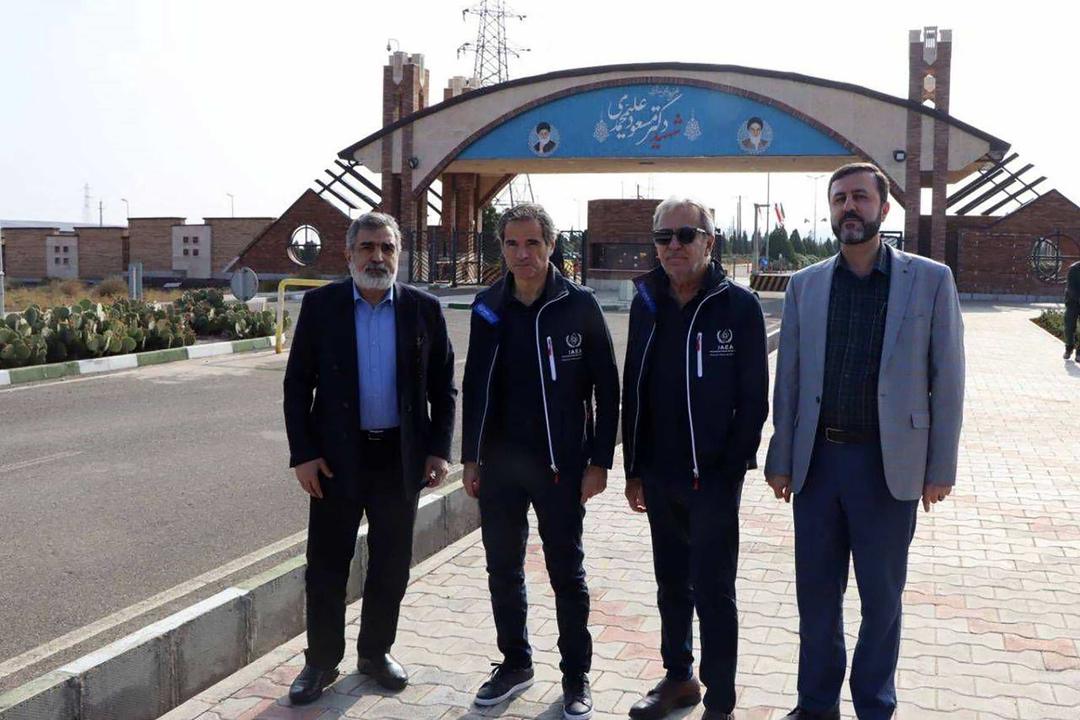
Above: Atomic Energy Organisation of Iran spokesperson Behrouz Kamalvandi (L) and Iran's Deputy Foreign Minister Kazem Gharib Abadi (R) with International Atomic Energy Agency (IAEA) chief Rafael Grossi (2nd-L), in Fordow, Iran on Nov. 15, 2024. Image credit: Contributor/AFP via Getty Images

The Spin

Claims of Iran's nuclear threat are overstated. Tehran's leadership has consistently avoided suicidal actions, suggesting nuclear ambitions are more about deterrence than aggression. The exaggerated threat perception, particularly from Israeli leaders, often serves political agendas and limits space for diplomacy. Western powers must exercise restraint, as aggressive policies risk escalating conflicts and emboldening Iranian hardliners. Maintaining regional stability requires a balanced approach — containment through measured actions, not confrontation, coupled with openness to diplomatic solutions that address mutual security concerns.

Iran's nuclear progress poses a real and growing threat as it edges closer to producing weapons-grade uranium, potentially for three nuclear warheads. The Iranian public, increasingly supportive of nuclear armament, sees such weapons as essential to deter external aggression, particularly from Israel and the US. With international inspections limited and Tehran advancing enrichment, the risk of weaponization grows. Regional instability — fueled by Tehran's proxies — compounds the danger of a nuclear-armed Iran, which could embolden its actions further. Together, this suggests Tehran might reassess its long-standing opposition to nuclear weapons.

ThereClaims of Iran's anuclear 57%threat chanceare thatoverstated. IranTehran's willleadership possesshas aconsistently avoided suicidal actions, suggesting nuclear weaponambitions beforeare 2030more about deterrence than aggression. The exaggerated threat perception, accordingparticularly from Israeli leaders, often serves political agendas and limits space for diplomacy. Western powers must exercise restraint, as aggressive policies risk escalating conflicts and emboldening Iranian hardliners. Maintaining regional stability requires a balanced approach — containment through measured actions, not confrontation, coupled with openness to thediplomatic Metaculussolutions predictionthat communityaddress mutual security concerns.

Iran's nuclear progress poses a real and growing threat as it edges closer to producing weapons-grade uranium, potentially for three nuclear warheads. The Iranian public, increasingly supportive of nuclear armament, sees such weapons as essential to deter external aggression, particularly from Israel and the US. With international inspections limited and Tehran advancing enrichment, the risk of weaponization grows. Regional instability — fueled by Tehran's proxies — compounds the danger of a nuclear-armed Iran, which could embolden its actions further. Together, this suggests Tehran might reassess its long-standing opposition to nuclear weapons.

Metaculus Prediction

There's a 57% chance that Iran will possess a nuclear weapon before 2030, according to the Metaculus prediction community.


The Controversies


Go Deeper


Articles on this story


© 2025 Improve the News Foundation. All rights reserved.Version 6.18.0

© 2025 Improve the News Foundation.

All rights reserved.

Version 6.18.0