Sydney Shark Attack Victim Briefly Wakes From Coma

The Spin
Narrative A
Above all, Leah Stewart's recovery is nothing short of extraordinary. Waking from an induced coma to say "I love you" after five days of surgery and arm amputation is a testament to her strength. Her family called it a "miracle," and that word fits. With more procedures ahead, this first step gives real hope that a 34-year-old mum and teacher can find her way back to her daughter, August.
Government-critical narrative
Leah Stewart lost an arm and nearly lost her life, yet politicians like Premier Minns still seem more concerned with protecting sharks than protecting families. After a string of attacks and deaths, beachgoers deserve more than drones and promises. Reopen commercial shark fisheries, remove dangerous sharks from popular swimming areas, and put people before sharks before another parent, child, or surfer pays the price.
Pro-government narrative
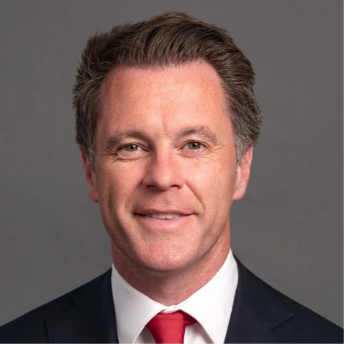
Shark culls are a feel-good non-solution that marine biologists say would actually make beaches more dangerous by attracting sharks closer to shore. Expanding drone surveillance across more NSW beaches is the smart, science-backed move, and Premier Minns is right to push world-leading drone technology instead of targeting protected migratory species that no cull could meaningfully reduce.
Public Figures
© 2026 Improve the News Foundation.
All rights reserved.
Version 7.4.1