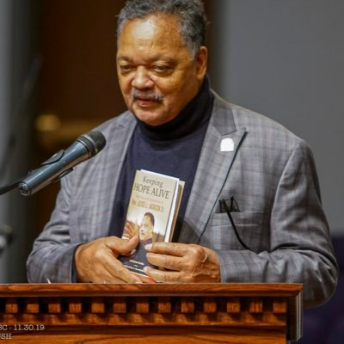
Civil Rights Leader Rev. Jesse Jackson Dies at 84

The Spin
Democratic narrative
Jesse Jackson transformed American democracy by building a multiracial Rainbow Coalition that reshaped the Democratic Party and paved the way for Barack Obama's presidency. His presidential campaigns shattered barriers, proving a Black candidate could win White voters and forcing delegate rule changes that enabled future victories. Jackson's moral leadership elevated the voiceless through decades of tireless activism.
Republican narrative
Jesse Jackson was a pragmatic, street-smart operator who achieved real results by pragmatically crossing party lines and working with figures like Donald Trump on tangible wins that partisan Democrats often blocked or ignored. Far from a rigid ideologue tied to one party, Jackson's grit, people-loving nature, and willingness to collaborate showed that true progress comes from practical bipartisanship and results, not from fueling division or relying on government handouts and moral grandstanding.
Establishment-critical narrative
Jesse Jackson was no simple hero or pragmatic dealmaker — he was a controversial figure whose career was marked by personal scandal, antisemitic remarks, and allegations of corporate shakedowns. His "Hymietown" slur, his ties to Farrakhan, and his extramarital affair while counseling Clinton revealed a man whose moral authority was frequently undermined by his own conduct. Admirable achievements, yes — but a complicated legacy that shouldn't be romanticized away.
Public Figures


© 2026 Improve the News Foundation.
All rights reserved.
Version 7.4.1