Delhi Air Pollution: Hospitals Report 200K Respiratory Cases
Delhi Air Pollution: Hospitals Report 200K Respiratory Cases in 3 Years
The Spin
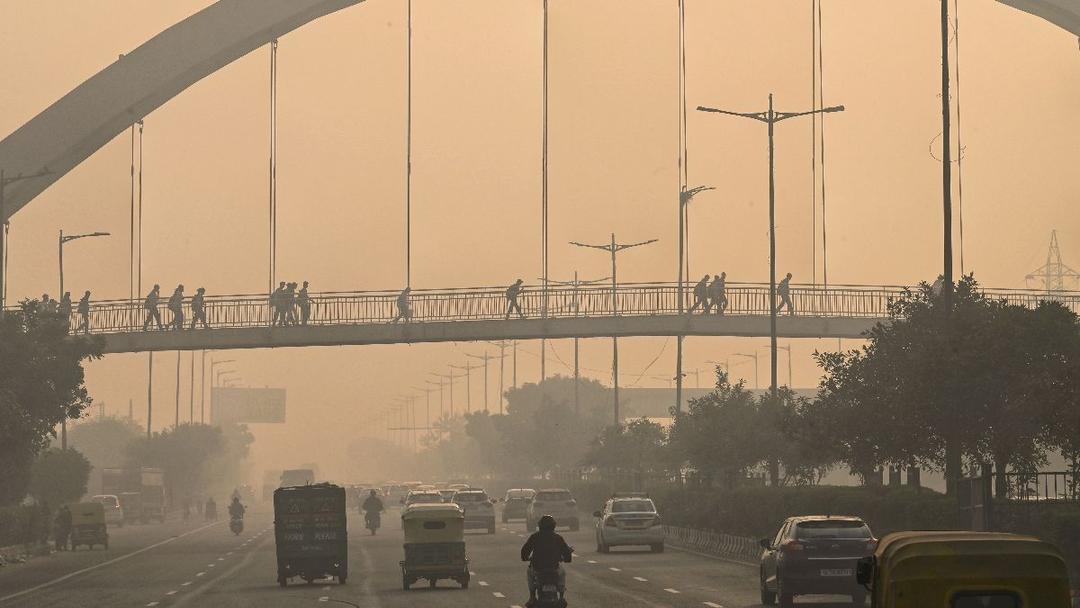
Delhi's air pollution crisis has spiraled into a public health catastrophe, with PM2.5 levels reaching 10 times the WHO safe limits and triggeringresulting in over two2 million deaths across India in 2023. The toxic air acts as a potent carcinogen, increasing cancer risk even among non-smokers while weakening immunity and worsening chronic diseases. Symbolic measures like odd-even schemes have failed; only sustained enforcement of emission norms and investment in clean transport can end this annual disaster.
The Prime Minister's Office has directed pollution agencies to expedite new emissions data and source-apportionment studies to finally create evidence-based solutions for Delhi's air quality. Dust from thousands of kilometers of broken roads and 8,000 tonnes of daily construction waste, combined with 37% of Delhi's vehicles still running on outdated emission standards, reveals the real infrastructure failures behind the crisis. Time-bound road redevelopment plans and stricter industrial norms are now underway with adequate funding promised.
They choke on Delhi's smog, dying silently while politicians trade blame and pollute the air for votes. Despite 1.5 million Indians dying every year from air pollution and millions more suffering, the corridors of power shrug — even rejecting debate demands while urging journalists to "enjoy the air." What's called governance becomes mere optics: sprinklers watered near monitors, distractions like stink-fires and weekend noise raised instead. And each winter, Delhi still struggles to breathe.
Metaculus Prediction
There's a 33% chance that non-compliance with environmental and climate change policies will be cited as a cause of a war before 2073, according to the Metaculus prediction community.
The Controversies
Go Deeper
© 2026 Improve the News Foundation.
All rights reserved.
Version 7.4.1