'Fire Amoeba' Sets Record Surviving 145°F Hot Springs
'Fire Amoeba' Sets Record Surviving 145°F Hot Springs
The Spin
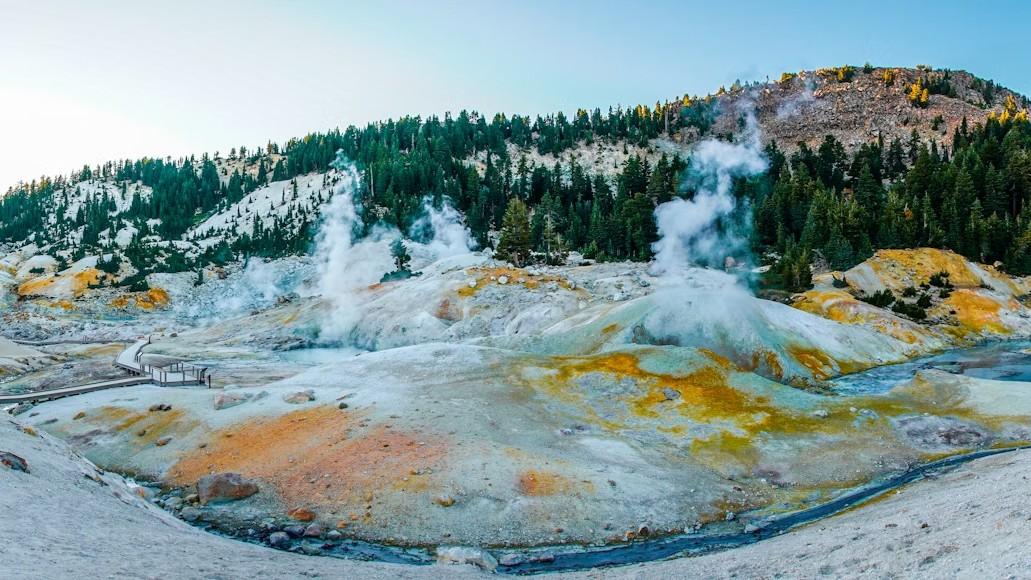
TheThis discovery of Incendiamoeba cascadensis completely demolishes previous assumptions about the limits of complex life. This amoeba's ability to remain active at 145°F and revive after exposure to 158°F proves eukaryotic organisms possess far greater adaptability than scientists believed possible. The finding fundamentally reshapes the search for extraterrestrial life by expanding the range of habitable environments, fueling hope for extraterrestrial biology and sustainable tech in extreme climates.
While the fire amoeba sets impressive records, its survival depends on highly specialized adaptations, such as protective cyst formation and heat-shock proteins, that most eukaryotes lack. The "fire amoeba" survivessurvived extreme heat in one lab-prepped environment — but its real-world ubiquity, resilience and ecological role remain unclear. Survival in boiling springs doesn't guarantee adaptability elsewhere, nor does it prove life under all extreme planetary conditions.
© 2026 Improve the News Foundation.
All rights reserved.
Version 7.4.1