Versions :<1234567891011Live
Snapshot 11:Tue, Dec 2, 2025 7:11:46 PM GMT last edited by Anna-Lisa

WHO Issues First Guidelines for GLP-1 Obesity Treatments

WHO Issues First Guidelines for GLP-1 Obesity Treatments
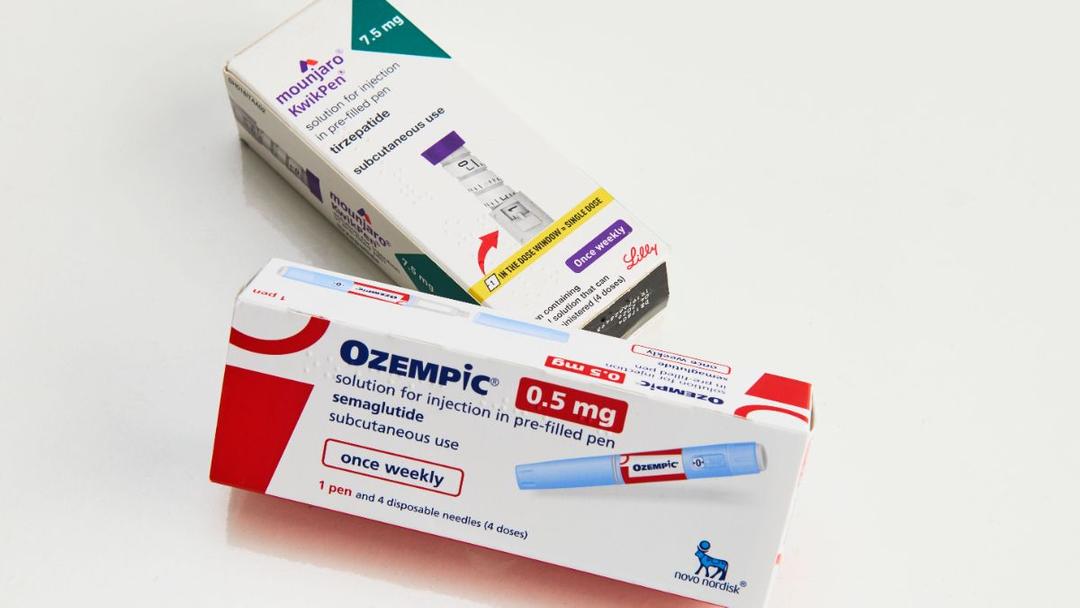
WHO Issues First Guidelines for GLP-1 Obesity Treatments
Above: Boxes of Ozempic and Mounjaro injection pens in London, on Oct. 20, 2025. Image credit: Peter Dazeley/Getty Images

The Spin

GLP-1 therapies represent a significant breakthrough in treating obesity, offering an effective form of treatment that extends beyond weight loss to other complications, like diabetes. As part of a comprehensive approach to care, these drugs could revolutionize health outcomes for millions, which is why it is essential to ensure universal access to these therapies as soon as possible.

Weight loss drugs fail to address the real problem of obesity and create dangerous dependencies. These medications fail to teach healthier eating habits and come with serious side effects like nausea and depression, with patients typically regaining weight after ending treatment. Weight loss drugs, therefore, ignore the root causes of obesity in favor of temporarily treating the symptoms.

ThereGLP-1 istherapies represent a 74%significant chancebreakthrough in treating obesity, offering an effective form of treatment that aextends smallbeyond moleculeweight GLP-1-basedloss drugto willother becomplications, approvedlike fordiabetes. theAs treatmentpart of obesitya bycomprehensive theapproach FDAto orcare, EMAthese bydrugs 2029could revolutionize health outcomes for millions, accordingwhich is why it is essential to theensure Metaculusuniversal predictionaccess communityto these therapies as soon as possible.

Weight loss drugs fail to address the real problem of obesity and create dangerous dependencies. These medications fail to teach healthier eating habits and come with serious side effects like nausea and depression, with patients typically regaining weight after ending treatment. Weight loss drugs, therefore, ignore the root causes of obesity in favor of temporarily treating the symptoms.

Metaculus Prediction

There is a 74% chance that a small molecule GLP-1-based drug will be approved for the treatment of obesity by the FDA or EMA by 2029, according to the Metaculus prediction community.


Articles on this story


© 2025 Improve the News Foundation. All rights reserved.Version 6.18.0

© 2025 Improve the News Foundation.

All rights reserved.

Version 6.18.0