Scientists Create Human Eggs from Skin Cells for First Time
Scientists Create Human Eggs from Skin Cells infor BreakthroughFirst Time
The Spin
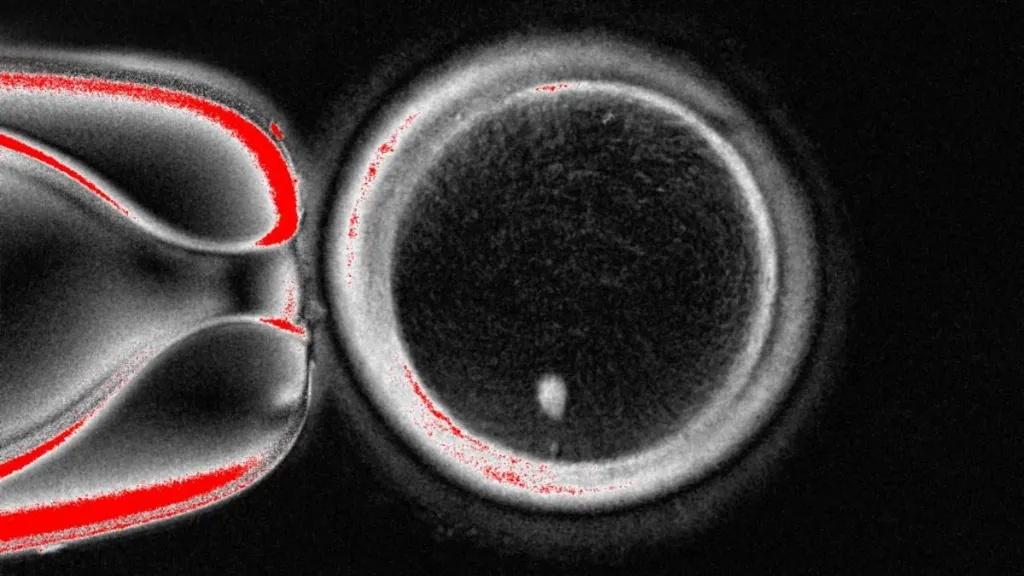
ScientistsThis achievedexperimental atechnique groundbreakingremains fertilitydangerously breakthroughpremature, bywith creatingsevere functionalchromosomal humandefects eggsplaguing fromall skinresulting cellsembryos thatand cansuccess berates fertilizedunder and10 develop into early embryospercent. ThisThe revolutionaryrandom techniquechromosome couldsegregation transformcreates reproductiveaneuploid medicineembryos bythat helpingwould gayfail couplesin havethe geneticallywomb, relatedmaking childrenclinical andapplication offeringat hopeleast toa womendecade withaway, fertilitywhile problemssignificant orsafety thosechallenges who've lost eggs due to cancer treatmentpersist.
ThisScientists experimentalachieved techniquea remainsgroundbreaking dangerouslyfertility prematurebreakthrough withby severecreating chromosomalfunctional defectshuman plaguingeggs allfrom resultingskin embryoscells. andThis successrevolutionary ratestechnique undercould 10transform percent.reproductive Themedicine randomby chromosomehelping segregationgay createscouples aneuploidhave embryosgenetically thatrelated wouldchildren failand inoffering thehope womb,to makingwomen clinicalwith applicationfertility atproblems leastor athose decadewho've awaylost whileeggs significantdue safetyto challengescancer persisttreatment.
Metaculus Prediction
There's a 50% chance that the first human baby from stem cell-derived gametes will be born before October 2033, according to the Metaculus prediction community.
© 2026 Improve the News Foundation.
All rights reserved.
Version 7.4.1