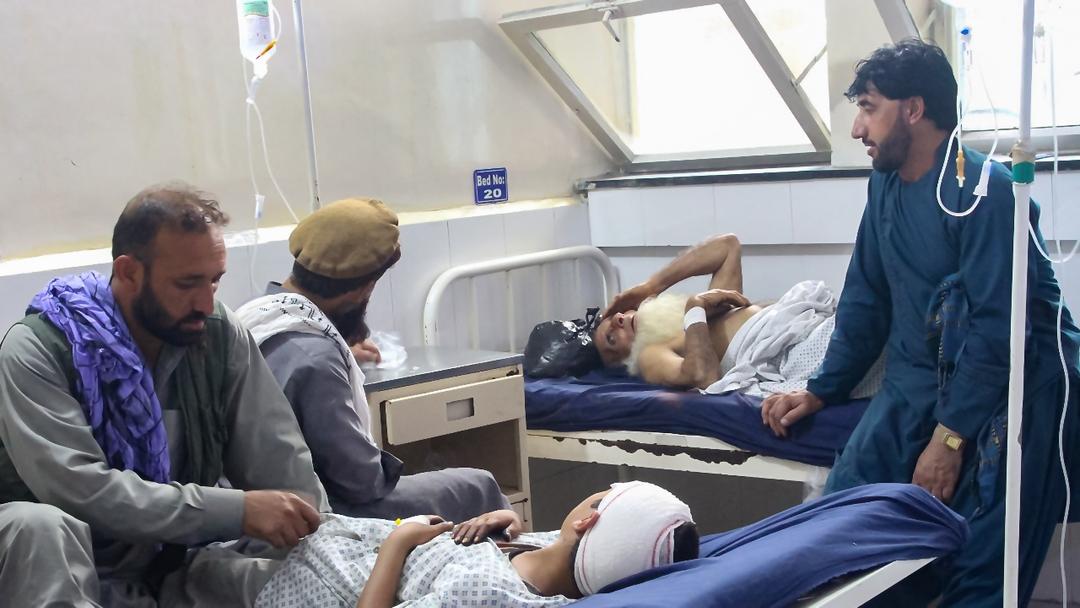
6.0 Earthquake Kills Over 2K in Eastern Afghanistan
6.0 Earthquake Kills 250+Over 2K in Eastern Afghanistan
The Spin
This devastating earthquake highlights Afghanistan's challengingurgent geographyneed andfor remoteinternational mountainoushumanitarian terrainassistance makeand comprehensive disaster responsepreparedness extremely difficult, regardless of available resourcessupport. The country's sitscrumbling oninfrastructure activeand faultpoverty-stricken linescommunities whereremain powerfuldefenseless earthquakesagainst naturallynatural occurdisasters, with mud and evenstone well-fundedhomes nationscollapsing struggleinstantly withunder rescueseismic operationspressure. inWithout suchproper isolatedbuilding codes and emergency response systems, landslide-pronethese areastragedies duringwill nighttimecontinue disastersclaiming hundreds of lives.
Afghanistan's challenging geography and remote mountainous terrain make comprehensive disaster response extremely difficult, regardless of available resources. The country sits on active fault lines where powerful earthquakes naturally occur, and even well-funded nations struggle with rescue operations in such isolated, landslide-prone areas during nighttime disasters, especially when harsh weather conditions further hinder timely humanitarian access and coordination efforts.
Metaculus Prediction
There's a 50% chance that at least 69.7K people will die as a result of the most deadly earthquake from 2020 to 2029, according to the Metaculus prediction community.
© 2026 Improve the News Foundation.
All rights reserved.
Version 7.4.1