Third of Tuvalu Citizens Seek Australia Climate Visas
Third of Tuvalu Citizens Seek Australia Climate Visas
The Spin
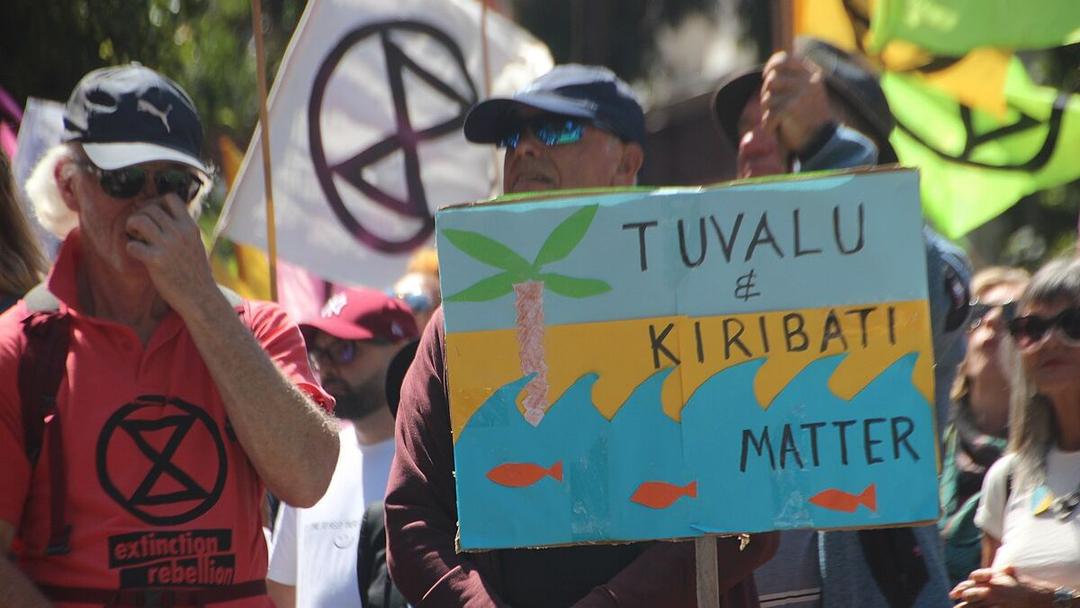
TheThis Falepiligroundbreaking Unionclimate wasvisa negotiatedprogram inrepresents secrecyAustralia's withoutgenuine propercommitment parliamentaryto process,helping representingPacific modern-dayneighbors colonialismfacing atexistential itsclimate worstthreats. AustraliaThe gainstreaty vetoaffords powerdignity overand Tuvalu'schoice defenseto decisionsTuvaluans while draininglegally therecognizing their nation's ofsovereignty itsdespite peoplethe andrising cultural knowledgeseas. ThisIt's treatya erodesmodel sovereigntyfor ratheraddressing thanclimate protectingmigration itthat other countries should follow.
The Falepili Union was negotiated in secrecy without a proper parliamentary process, representing modern-day colonialism at its worst. Australia gains veto power over Tuvalu's defense decisions while draining the nation of its people and cultural knowledge. This treaty erodes sovereignty rather than protecting it.
Mass emigration could drain Tuvalu's skilled professionals and young talent, potentially imperiling the nation's future development. Small island states have limited job opportunities, with agriculture being difficult and fisheries offering limited employment opportunities despite their potential.
Tuvalu's challenges have no direct relation to the climate crisis. Natural geological shifts, tides, and local land use practices have a significant role in contributing to land loss and flooding. Sea-level rise is overstated, and Tuvalu's issues stem more from development practices than from the impacts of global climate change.
Metaculus Prediction
There's a 45% chance that large scale solar radiation management will be used to mitigate the effects of climate change in the 21st century, according to the Metaculus prediction community.
The Controversies
Go Deeper
© 2026 Improve the News Foundation.
All rights reserved.
Version 7.4.1